Loop vs River North vs West Loop: Which Chicago Base Fits Your Trip
Choose the Loop for a museum-led first visit, River North for nightlife and river access, or the West Loop when restaurants lead the trip. Fix the main activity and arrival route before comparing hotels for your dates.
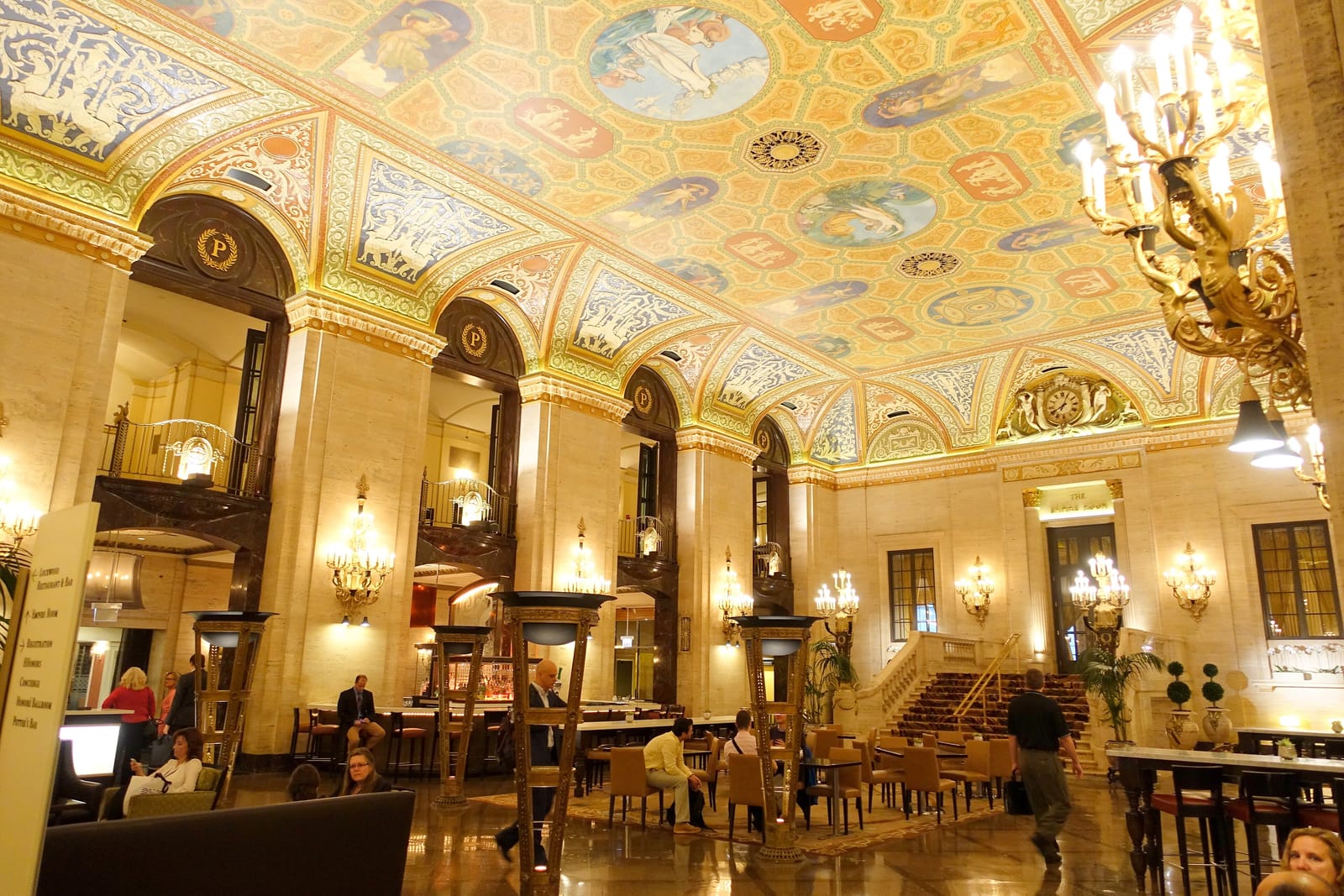
Palmer House lobbyPalmer House lobby. This shows a shared hotel space; check the photos of your selected room category.Photo by Daderot on Wikimedia Commons - CC0 · Photographed August 2014 · Resized and reformatted; shared under the linked license.
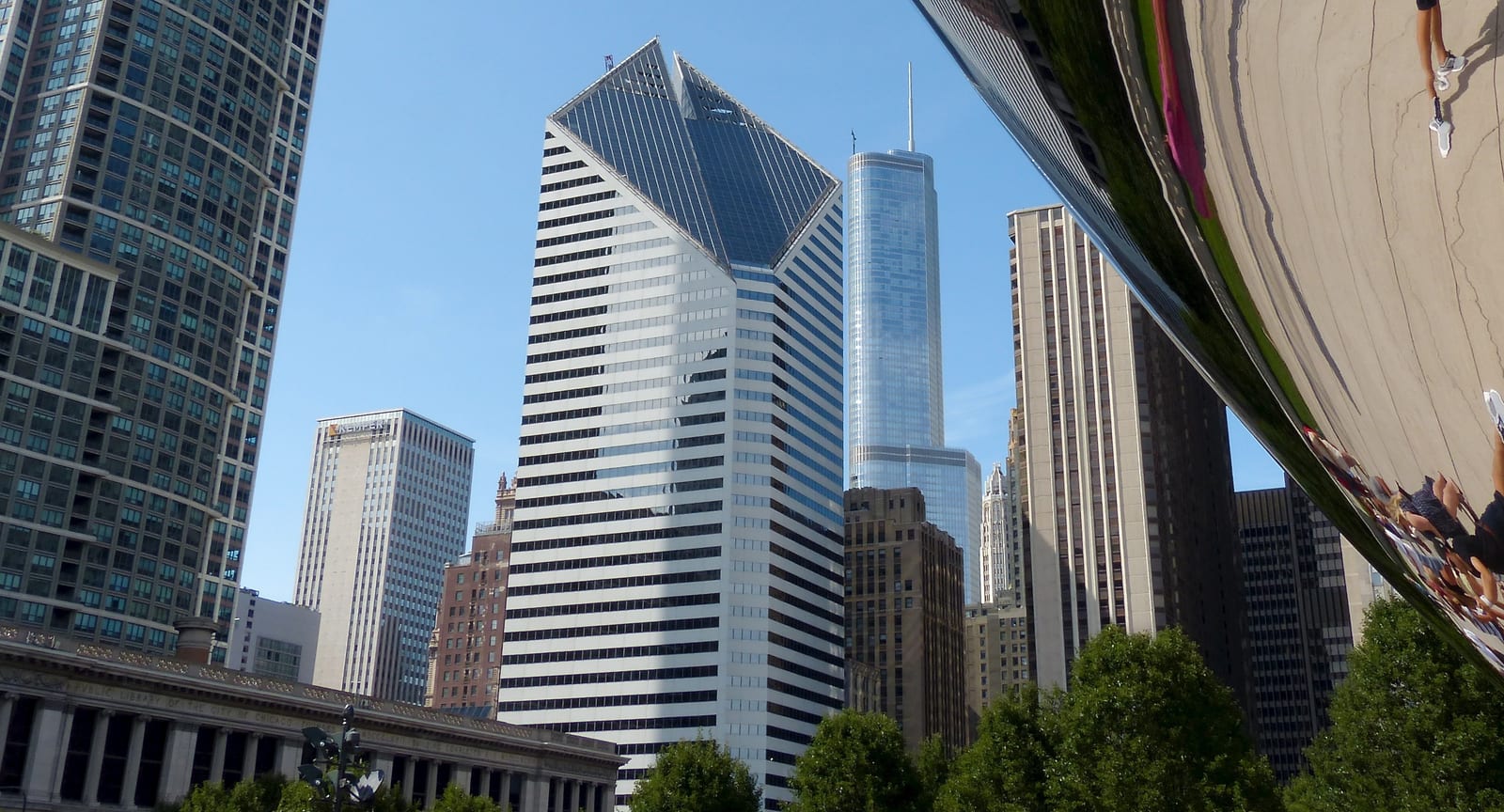
The Loop · museums and park mornings
Start here when Millennium Park and the Art Institute anchor the visit. Palmer House is a hotel to compare near Monroe and State.
Tradeoff: A Loop address does not guarantee a quiet room or a lower price. Check the room position, evening plans and complete stay total.
Before booking: For a car, compare the separate garage with hotel valet and confirm in/out privileges. Include destination charges, taxes and breakfast in the same-date quote.
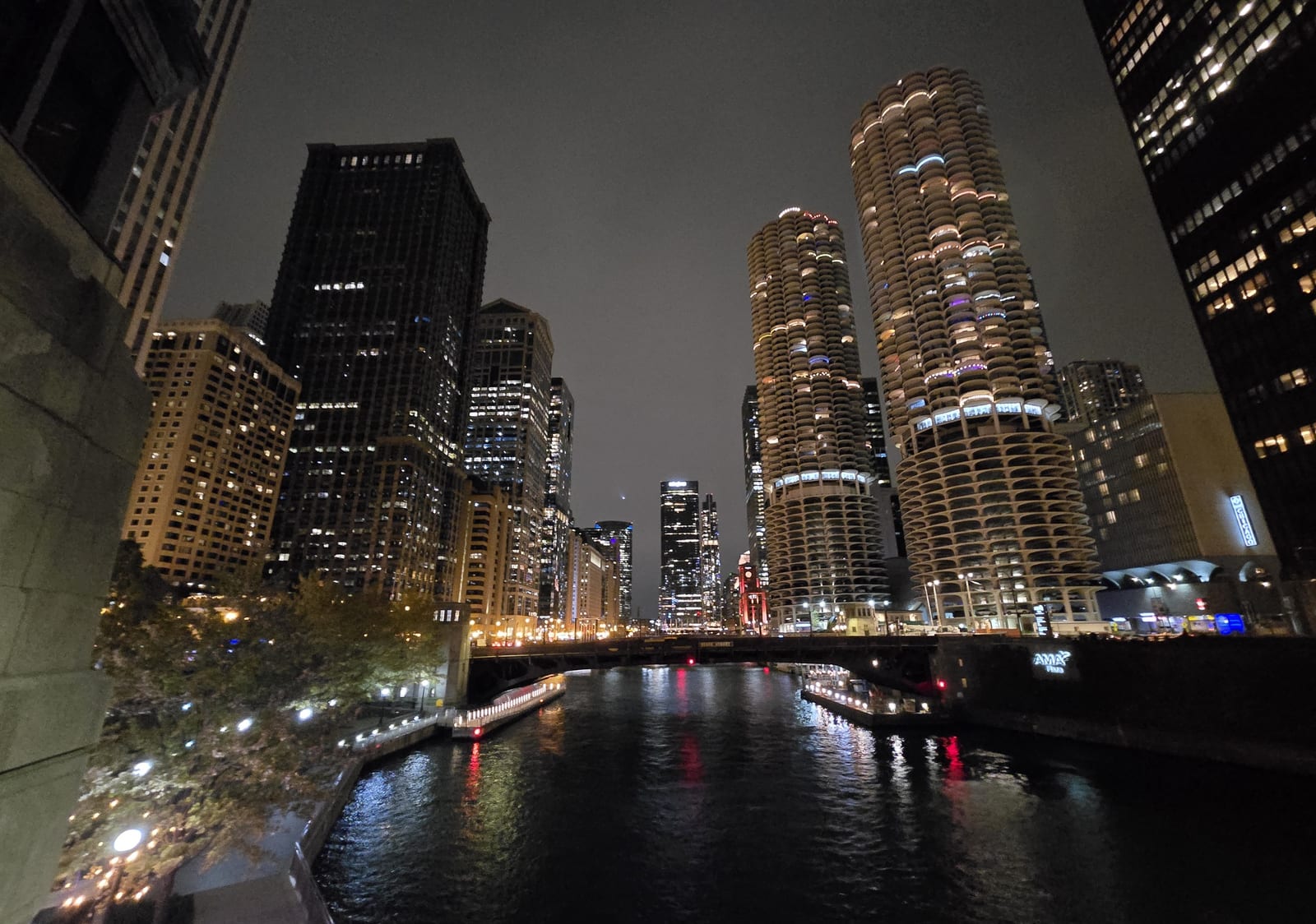
Marina City on the Chicago RiverMarina City and the State Street bridge: River North area context. The Langham and its rooms are not shown.Photo by Spatms on Wikimedia Commons - CC BY-SA 4.0 · Photographed November 2025 · Resized and reformatted; shared under the linked license.
River North · river access and evenings out
Choose the north bank when river walks and dinner plans lead the trip. Compare The Langham with other hotels using the actual address and room category.
Tradeoff: A riverfront address does not guarantee a river-view room. Ask about the view, bedding and street or event noise before paying for an upgrade.
Before booking: Check extra-adult charges, the incidental card hold and accessible room availability. The room rate alone is not the complete booking comparison.
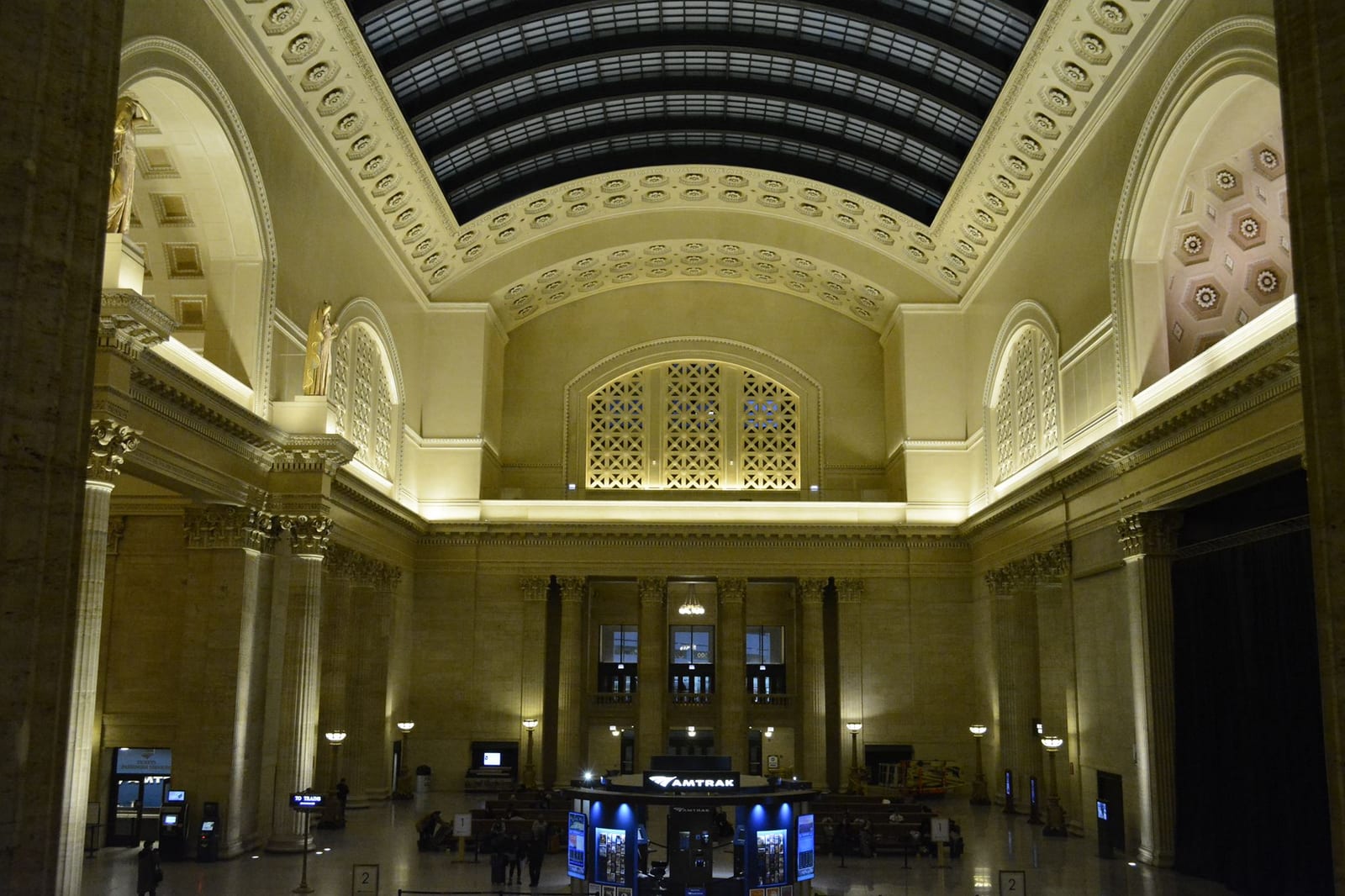
Great Hall of Chicago Union StationUnion Station Great Hall. The station and Fulton Market hotels are separate destinations; The Hoxton is not shown.Photo by Robert Haugland on Wikimedia Commons - CC BY-SA 4.0 · Photographed January 2019 · Resized and reformatted; shared under the linked license.
West Loop / Fulton Market · restaurant plans
Choose Fulton Market when restaurants around Randolph Street set the itinerary. The Hoxton is at 200 North Green Street, near Morgan station.
Tradeoff: Union Station is not the hotel doorstep. Check the walk from your actual station exit with luggage, weather and mobility needs in mind.
Before booking: Confirm restaurant reservations separately, plus room size, parking and cancellation terms. The rooftop pool is seasonal; do not choose a winter stay for swimming.
Start near the attractions on your first morning, then check the hotel-to-entrance walk.
River North
Start near your dinner plans or river activity, then check the route back to your room.
West Loop / Fulton Market
Choose it when your plans concentrate around Randolph Street and Fulton Market.
Trip fit
Use this guide when
Best for
Museum and park visits from the Loop.
River access and dinner plans from River North.
A restaurant-led trip from Fulton Market.
Travelers comparing a complete stay cost and a realistic arrival route.
Tradeoffs
Room noise depends on the building, room position and events; no downtown neighborhood guarantees quiet nights.
Fulton Market hotels are separate from Union Station. Check the station exit, luggage route and weather before choosing to walk.
Airport access depends on the specific hotel and station. The Blue Line serves O’Hare; the Orange Line serves Midway and does not run overnight.
Rates and fees vary by dates and room terms. Compare current quotes rather than assuming a Loop weekend is cheaper.
Choose the area that reduces travel for your main plans, then compare hotels using the exact address and complete price. For a close tie, check the first morning, the evening return and the airport or station journey with luggage.
Quick plan
Choose the area, check the journey, compare the total.
Step 1Set the main plansMark your first attraction, booked dinners and meeting entrance before choosing an area.
Art Institute of ChicagoChicago Union Station
Step 2Check the door-to-door arrivalUse the exact hotel address and your airport terminal or station exit. Include luggage, weather and accessibility needs.
The Hoxton, Chicago
Step 3Compare complete booking termsCompare the same dates and occupancy, including taxes, mandatory fees, parking, transport and cancellation deadline.
Palmer House, a Hilton HotelThe Langham, Chicago
Editorial read
When the Loop fits
Start here when Millennium Park and the Art Institute anchor the trip.
Compare Palmer House using the actual room category and hotel location.
Check museum hours and tickets separately from your room booking.
Editorial read
When River North fits
Start on the north bank when river access and evenings out shape the visit.
Check your dinner and activity addresses rather than relying on the neighborhood label.
For a river-view upgrade, confirm the selected room view. Check room position if noise matters.
Editorial read
When Fulton Market fits
Choose West Loop / Fulton Market for restaurant plans around Randolph Street.
The Hoxton is at 200 North Green Street; Morgan station serves the Green and Pink lines.
Check the full walk or ride from Union Station. Station proximity varies by hotel and exit.
Hotel bookings do not reserve restaurant tables. Check each restaurant’s current reservation or walk-in arrangements.
Editorial read
Airport and rail arrival
Plan the last part of the journey as carefully as the train ride.
O’Hare uses the Blue Line. At Terminal 5, follow CTA guidance for the Airport Transit System connection. The Orange Line serves Midway and does not run overnight.
CTA lists a $5 O’Hare boarding fare; an eligible unlimited pass covers boarding without that surcharge. Check the current fare and service before departure.
State/Lake elevated station is closed for reconstruction. CTA identifies Clark/Lake and Washington/Wabash as adjacent alternatives; choose the stop that suits your route and check elevator alerts.
Editorial read
Compare a complete stay
Use current quotes for the same dates, guests and room terms.
Include room cost, taxes, mandatory charges, parking and the transport you expect to use.
Compare refundable terms and the cancellation deadline. Separate an incidental card hold from the final stay cost.
Check seasonal facilities, restaurant bookings and event access independently. A room booking does not guarantee them.
QuestionShould I choose the Loop, River North or West Loop?Choose the Loop for Millennium Park and Art Institute plans, River North for river access and evenings out, or West Loop / Fulton Market for restaurant plans around Randolph Street. Check the exact hotel address and complete booking price.QuestionDoes a West Loop hotel mean an easy walk from Union Station?Check the route from your actual station exit to the hotel. Fulton Market hotels and Union Station are separate destinations; luggage, weather and mobility needs may make onward transport preferable.QuestionWhat should I check for an airport arrival?Use the Blue Line for O’Hare and the Orange Line for Midway, then plan the last part to the hotel. The Orange Line does not run overnight. State/Lake elevated station is closed; check current routes, alternatives and elevator alerts before travel.QuestionWhich area has the cheapest or quietest hotels?Compare current quotes for the same dates and complete booking terms. No neighborhood guarantees the cheapest stay or a quiet room. Check room position, events, mandatory charges, taxes, parking and transport before choosing.